

How Do You Actually Evaluate an Intelligent Cement Block Making Machinery Manufacturer?
I've been in the equipment sales business long enough to see the same pattern repeat: a buyer visits three manufacturers, compares the production capacity specs—"3,000 blocks per hour!"—checks the price tag, and chooses the cheapest machine that hits their target number. Six months later, I get a call: the machine is down half the time, the blocks have inconsistent density, and the power bill is double what they expected.
The real cost of block machinery isn't the purchase price—it's the gap between nameplate capacity and actual uptime, multiplied by your operating costs per block. Intelligent systems close that gap by using data-driven optimization, not just PLC automation, but only if you know how to separate marketing buzzwords from technical capability.
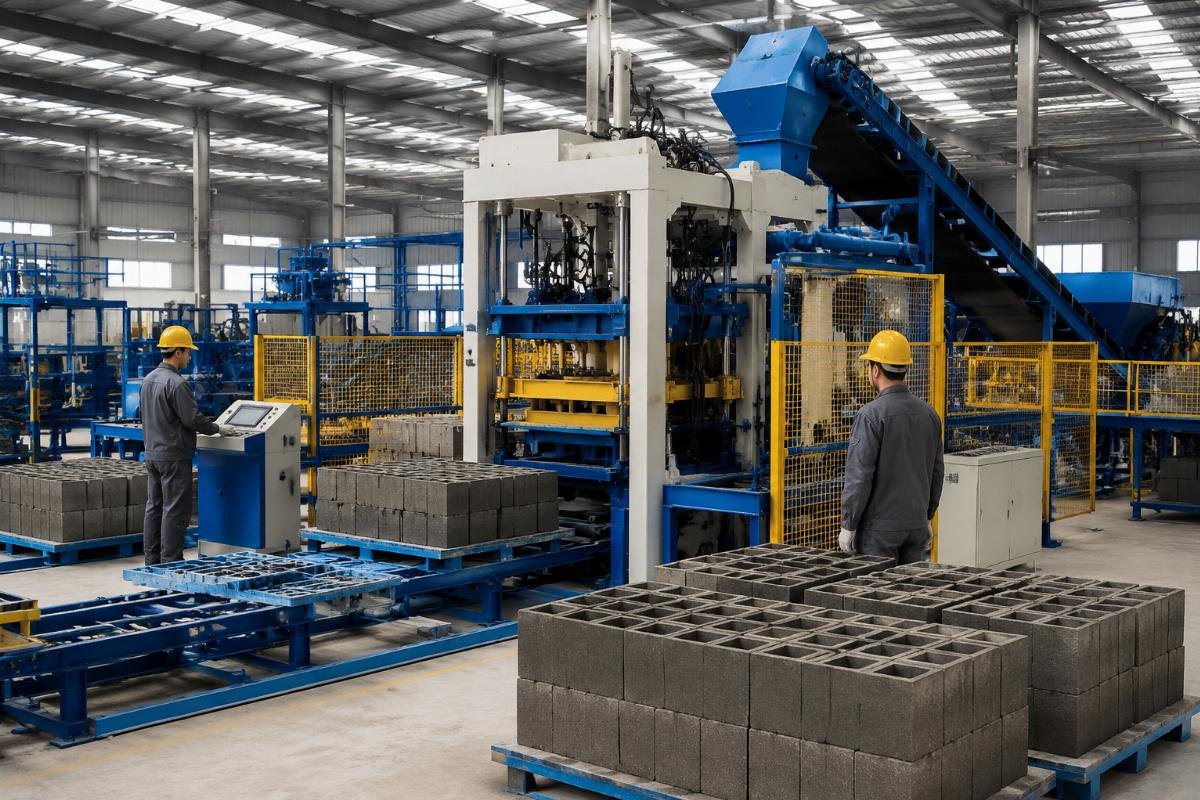
I'm writing this because I've commissioned dozens of these machines and handled the troubleshooting calls when things go wrong. The industry conflates "intelligent" with "automated," and buyers end up paying for features they don't understand or can't use. If you're evaluating manufacturers right now, you need to reframe how you're making this decision.
What Does "Intelligent" Actually Mean Beyond the Sales Brochure?
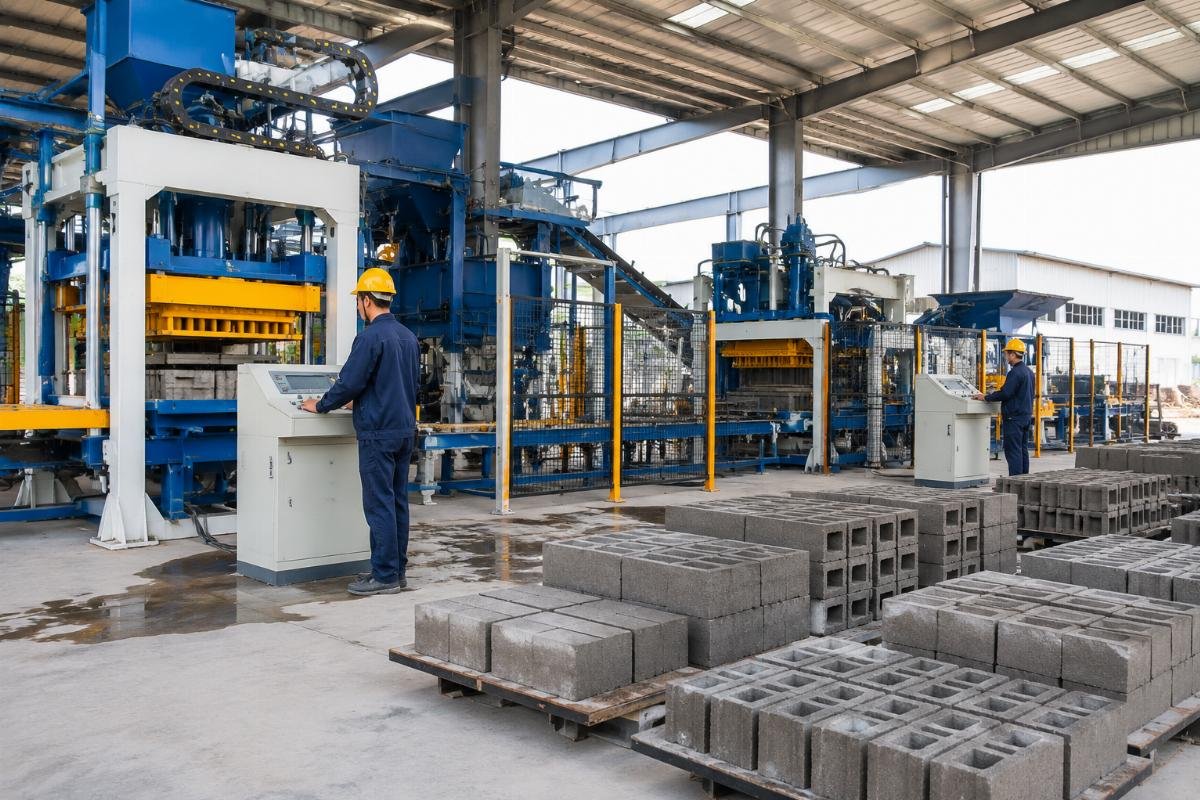
When I show clients a machine with a touchscreen interface and PLC control, they often say "so this is the intelligent model?" Not quite. That's automation—the machine executes pre-programmed logic without manual input. Intelligence means the system collects production data, analyzes it in real time, and adjusts parameters to optimize output or alerts you before a failure happens.1
Intelligent block machinery uses sensor feedback loops and data logging to predict maintenance needs, adapt to material variance, and track efficiency metrics—capabilities that standard automated systems with PLC control alone cannot deliver.
What You're Actually Paying For in an Intelligent System
I'll break down what intelligence adds beyond basic automation, because this distinction directly affects your machine's performance under real production conditions:
| Feature Category | Automated (PLC-Only) System | Intelligent System | Impact on Your Operations |
|---|---|---|---|
| Pressure Control | Fixed hydraulic pressure set manually | Adaptive pressure based on material moisture sensors2 | Reduces block defects when raw material batches vary; I've seen reject rates drop from 8% to 2%3 |
| Maintenance Scheduling | Time-based (change parts every X cycles) | Predictive alerts using vibration/temperature sensors | Prevents unexpected downtime; one client avoided a hydraulic pump failure that would have stopped production for three days |
| Production Monitoring | Manual log keeping or basic counters | Real-time dashboards with per-shift efficiency data | Lets you identify bottlenecks immediately; I helped a customer discover their material feeding was 20% slower during night shifts |
| Quality Feedback | Visual inspection after production | In-line density/dimension checks with auto-rejection | Catches bad blocks before they reach curing; saves rework costs |
| Remote Diagnostics | Requires on-site technician visit | Manufacturer can access machine data remotely | I've resolved 60% of support cases via screen-sharing without traveling to the site |
The "intelligent" label gets slapped on machines that just have a nicer control panel. I tell buyers to ask manufacturers three specific questions: Does the system log production data you can export? Can it send alerts to your phone when parameters drift? Can the manufacturer access machine diagnostics remotely? If the answer to all three is no, you're buying an automated machine with marketing copy, not actual intelligence.
One client bought what was advertised as an "AI-powered" block machine. When I visited their facility, I found it had no sensors beyond basic limit switches—there was nothing for any "AI" to analyze. They paid a 30% premium for a feature that didn't exist. The real test is whether the system generates data you can act on, not whether the sales brochure uses impressive terminology.
Why Does Nameplate Capacity Mislead You About Real Production?
Manufacturers advertise "3,000 blocks per hour" or "5,000 blocks per 8-hour shift." I see these numbers on every spec sheet I review. The problem is that those figures assume perfect conditions: ideal material moisture, zero downtime for mold changes, no maintenance stoppages, and consistent operator performance. In the actual production environment I visit, machines rarely hit 80% of their rated capacity.4
Nameplate capacity reflects lab-testing or optimal-condition performance; your actual output depends on uptime percentage, reject rate, and how the system handles material inconsistency—metrics that spec sheets don't include.
The Hidden Variables That Determine Your Actual Output
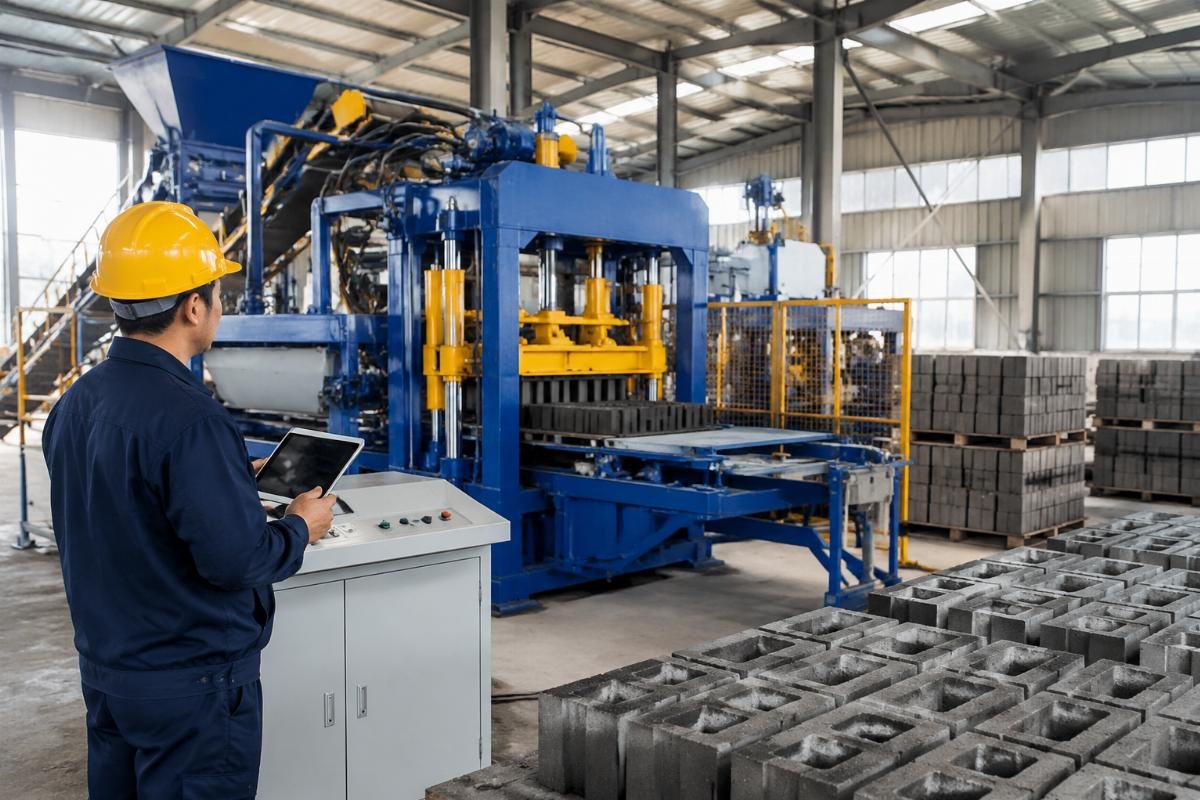
I track what happens to machines after we deliver them, and I can tell you the factors that create the gap between promised capacity and real production:
Mold lifespan under load. A manufacturer claims their mold lasts 100,000 cycles. After six months, I get complaints that it's wearing out at 60,000. Why? Because the testing was done with controlled aggregate grading and moisture content. In real production, material batches vary—some are wetter, some have larger stones—and those variations stress the mold unevenly. Intelligent systems with material sensors can adjust compaction force to compensate. Basic machines just hammer away at fixed pressure until the mold deforms.
Hydraulic system consistency. I commissioned a machine last year that had stable pressure in the morning but drifted 15% lower by afternoon. The hydraulic oil was heating up, reducing viscosity, but the system had no temperature compensation. Blocks made in the last two hours of each shift were coming out lighter and weaker. An intelligent system would have either adjusted pump speed to maintain pressure or alerted the operator to the temperature issue. This machine just kept producing bad blocks until the customer caught it during quality checks.
Downtime you don't plan for. Spec sheets show cycle time—pour, compress, eject—but they don't account for stoppages. Material hopper runs empty because the loader operator is on break. Conveyor belt slips and needs re-tensioning. Mold release agent sprayer clogs and someone has to clean it. I've measured production lines where these small interruptions add up to 90 minutes of lost time per shift. That's 18% of your capacity gone before you even consider equipment failures.
Reject rate. A machine producing 3,000 blocks per hour is meaningless if 200 of those blocks fail your density standard. I've seen production lines where reject rates climbed from 3% to 12% over three months because the vibration system's motor mounts loosened—no one caught it until a customer complaint. Intelligent systems with in-line quality sensors catch this immediately and stop production when parameters drift.
When I help buyers compare manufacturers, I tell them to ask for field performance data, not lab specs. What's the average uptime after 12 months? What's the defect rate under normal production conditions? How often do molds need replacement? If a manufacturer can't or won't provide that data, their capacity numbers are just theoretical.
How Do You Calculate the Real Cost Per Block?
I sat down with a customer last month who was furious about their "budget-friendly" block machine. The purchase price was $50,000 less than the intelligent model they considered, so they thought they saved money. Eight months in, their electricity bill was $800 higher per month, they'd replaced the main mold twice (at $3,500 each), and they'd already paid for three emergency service calls (totaling $4,200). They didn't save anything—they just deferred the cost and turned it into recurring expenses.
Total cost of ownership for block machinery includes electricity consumption per block, mold replacement frequency, and maintenance intervals—factors where intelligent systems often cost less to operate despite higher upfront prices.
Breaking Down Where Your Money Actually Goes
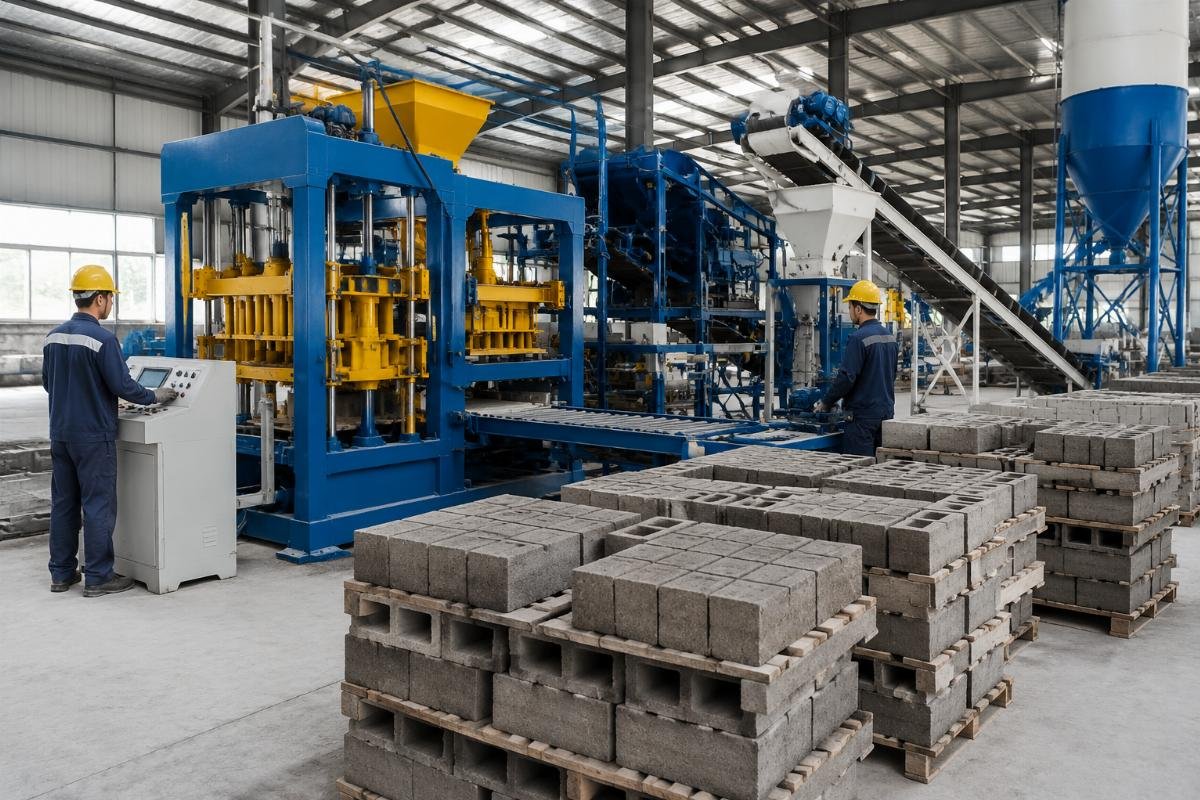
I built this comparison using real numbers from two machines I've tracked over 18 months—one basic automated model, one with intelligent controls. Both have the same rated capacity (2,500 blocks/hour), and I'm showing actual operating costs from facilities running one shift per day, five days per week:
| Cost Category | Basic Automated Model (18 months) | Intelligent Model (18 months) | Difference |
|---|---|---|---|
| Purchase Price | $180,000 | $245,000 | -$65,000 |
| Electricity (variable frequency drive vs. fixed motor) | $28,800 ($1,600/month) | $21,600 ($1,200/month) | +$7,200 savings |
| Mold Replacement (wear rate) | $10,500 (3 replacements @ $3,500) | $3,500 (1 replacement) | +$7,000 savings |
| Hydraulic System Maintenance | $6,800 (seal replacements, oil changes) | $3,200 (predictive maintenance) | +$3,600 savings |
| Unplanned Downtime Cost (lost production) | $15,000 (est. 120 hours @ $125/hour) | $4,000 (est. 32 hours) | +$11,000 savings |
| Service Call Fees | $5,400 (4 visits @ $1,350) | $1,350 (1 visit, rest remote) | +$4,050 savings |
| Total 18-Month Cost | $246,500 | $278,650 | -$32,150 |
The intelligent system costs more upfront, yes, but the gap narrows fast. By month 24, I project the intelligent machine will have lower cumulative costs, and after 36 months, it's clearly cheaper to operate. The problem is that most buyers only look at the purchase price column and ignore everything else.
The electricity difference comes from variable frequency drives that adjust motor speed based on load5—when the system detects lighter material or partial mold filling, it reduces power consumption. Basic machines run at full power constantly. That's 400 watts per cycle saved, and when you're running 15,000 cycles per month, it adds up.
Mold lifespan is where I see the biggest operational cost difference. The intelligent system adjusts compaction pressure based on material moisture sensors. When material is wetter, it applies slightly more pressure and longer vibration time. When it's drier, it backs off to prevent mold stress. The basic machine uses the same pressure every time—when material is too dry, it over-compresses and stresses the mold; when it's too wet, blocks come out weak and get rejected. That inconsistency kills the mold faster and increases your reject rate simultaneously.
The downtime cost is estimated, but I'm being conservative. I've seen single hydraulic failures shut down production for 72 hours while waiting for parts. Intelligent systems with predictive sensors usually catch bearing wear, seal leaks, or pressure anomalies early enough that you can schedule maintenance during non-production hours instead of dealing with emergency stops.
What Should You Demand From a Manufacturer Before Signing?
I've learned that the manufacturer's behavior during the sales process tells you more than their product brochure does. If they can't or won't provide specific technical details, post-delivery support will be the same vague runaround. I tell buyers to treat the purchasing conversation as a test of how the manufacturer will act when something breaks.
Before committing to an intelligent block machine manufacturer, verify their remote diagnostics capability6, request field performance data from existing installations, and confirm parts availability for critical wear components—especially hydraulic seals and mold assemblies.
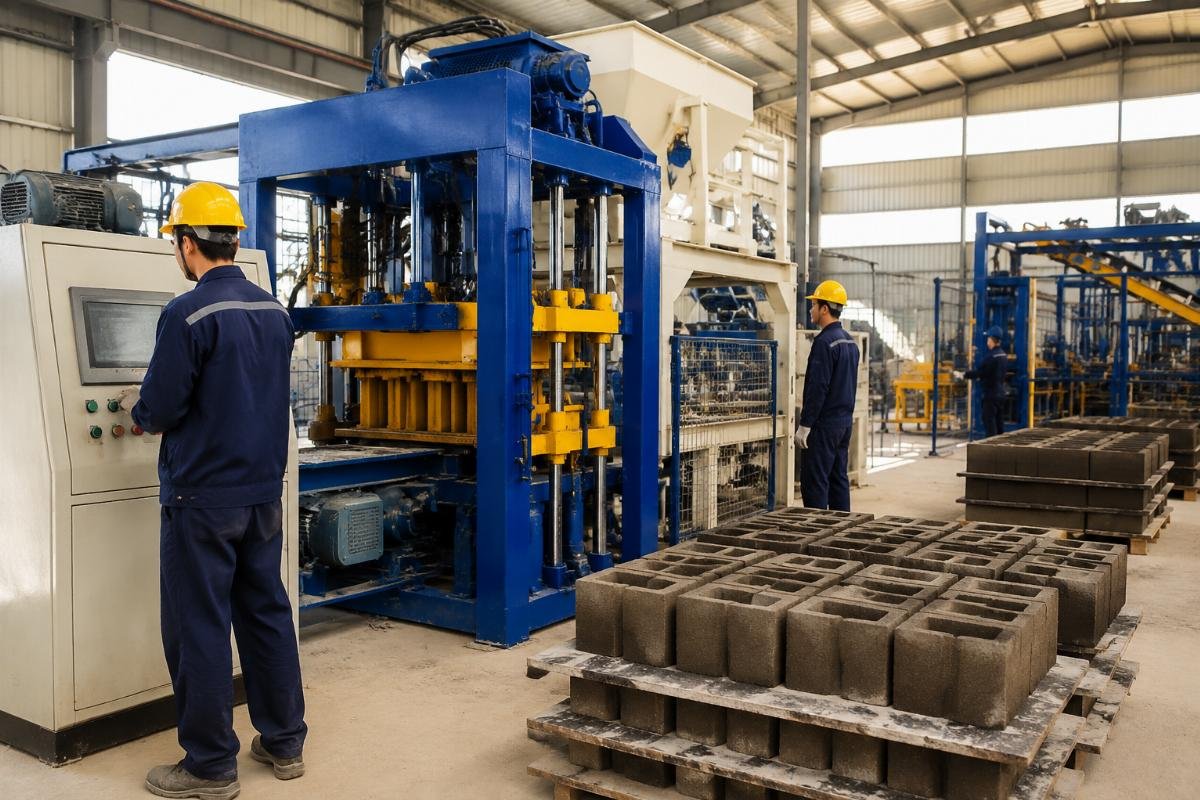
The Five Questions That Expose Whether Intelligence Is Real
I use these specific questions to separate manufacturers who have genuine intelligent systems from those who are rebranding standard machines:
Can I access production data exports? If the system is truly intelligent, it's logging cycle times, pressure readings, reject counts, and downtime events. Ask to see a sample data export. If they show you a CSV file or dashboard screenshot with real metrics, that's a good sign. If they deflect or say "the system doesn't export data," the intelligence is superficial.
How does predictive maintenance actually work? Ask them to walk you through a specific example: "What happens when a hydraulic seal starts to wear?" A real intelligent system will have vibration or pressure sensors that detect anomalies before failure. They should be able to describe the alert process, the data threshold that triggers it, and how you'd receive notification. If they give you vague answers about "the system monitors itself," that's not intelligence—that's marketing.
What's the manufacturer's response time for remote diagnostics? I've had video calls with manufacturers' technical teams within 30 minutes of reporting an issue, where they accessed the machine's control system remotely and identified the problem. Other manufacturers require you to describe the issue over email, wait for a response, then schedule a site visit. Ask how their remote support actually functions—do they have live technicians available? What's the typical resolution time?
Can you provide contact information for three existing customers? This is where manufacturers who over-promise get exposed. If their machines perform as advertised, they'll happily connect you with satisfied customers. If they hesitate or say "we can't share client information," that's a warning sign. I always call the references and ask about uptime, service responsiveness, and whether the intelligent features actually deliver value.
What's your parts inventory and lead time for critical components? Intelligence doesn't matter if the machine is down for two weeks waiting for a replacement hydraulic valve. Ask about stock levels for wear parts—molds, seals, solenoid valves, sensors. If they're importing everything and lead times are 30+ days, you're taking on significant downtime risk. We maintain local bearing inventory (including SKF components that many hydraulic systems use7) specifically because intelligent machinery is useless when it's sitting idle waiting for a $200 part.
One buyer I worked with asked a manufacturer about remote diagnostics. The salesperson confidently said "yes, we have full remote access." After purchase, when they had a sensor failure, they discovered "remote access" meant the manufacturer could view logged data files—if the customer manually downloaded them and emailed them. There was no actual remote connection to the machine. The buyer had to wait four days for a technician to fly in and replace a $50 sensor. That's why I tell people to ask for a live demonstration of remote support before signing anything.
When Does Intelligence Create More Problems Than It Solves?
I need to be honest about something the sales side of our industry won't tell you: intelligent systems have prerequisites that some facilities aren't ready for. I've seen customers spend $250,000 on advanced machinery and then realize they don't have the infrastructure or staff training to use 70% of its features. Intelligence adds value when your operation can absorb it—otherwise, you're paying for complexity you don't need.
Intelligent block machinery requires stable electrical supply, network connectivity for remote features, and operators trained to interpret data dashboards—facilities lacking these prerequisites would see better ROI from high-quality automated systems.
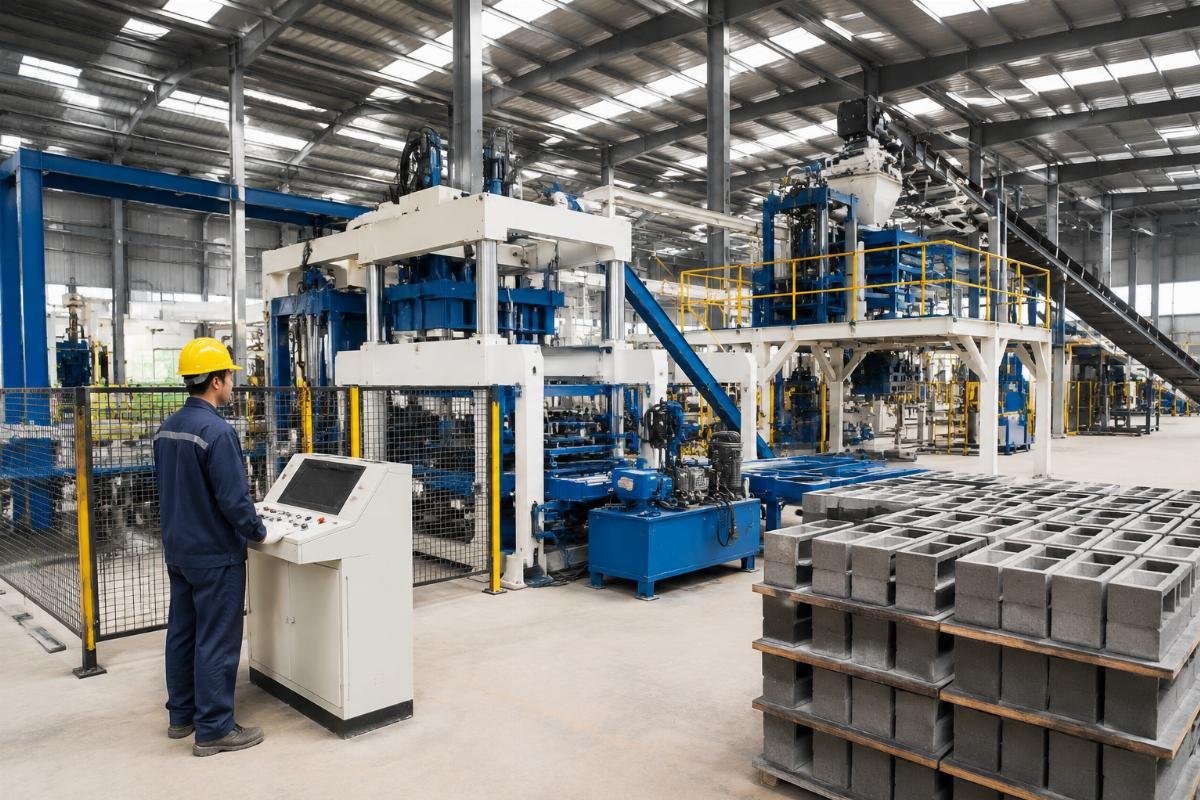
The Operational Requirements No One Mentions
Power stability matters more with intelligent systems. The control units, sensors, and data logging equipment are more sensitive to voltage fluctuations than basic PLCs. I commissioned a machine at a rural facility where power dropped by 10% during peak hours. The intelligent system's control board reset twice a day, losing production data and requiring manual restart. We had to install a voltage stabilizer ($3,000) to fix it. If your facility has unreliable power, a simpler automated system with more robust electrical tolerance might give you better uptime.
Data features are useless without connectivity. Remote diagnostics, cloud dashboards, and smartphone alerts all require internet connection at the machine. I've installed intelligent equipment in factories where the production floor has no Wi-Fi—the customer either had to run ethernet cable ($1,500+ for installation) or settle for local-only data access, which defeats half the purpose of intelligence. If your facility has no network infrastructure and you're not willing to add it, don't pay extra for remote features.
Operators need training, not just instruction manuals. Intelligent systems shift some decision-making from the machine to the operator. When the dashboard shows "material moisture 2% above optimal," someone needs to know whether to adjust the mixer or the compaction pressure. I've seen operators ignore alert screens because no one taught them what the alerts mean or what actions to take. If your team isn't comfortable interpreting data or adjusting parameters, the intelligent system's flexibility becomes a liability—operators will just run it on default settings and all those sensors will provide zero value.
Maintenance culture affects ROI. Predictive maintenance only works if you act on the predictions. I've watched facilities receive "hydraulic seal wear detected" alerts and ignore them because maintenance was scheduled for next month anyway. Then the seal fails mid-production and causes the very downtime the alert was supposed to prevent. If your operation doesn't have a proactive maintenance culture—where people respond to warnings instead of waiting for breakdowns—intelligent systems won't reduce your maintenance costs.
I'm not saying intelligent machinery is wrong for small or less-sophisticated operations. I'm saying you need to honestly assess whether your facility has the conditions that let intelligence deliver value. If you have stable power, network access, trained operators, and responsive maintenance practices, intelligent systems will absolutely reduce your operating
<!--[googlesitekit-end-of-content]-->
"What is smart manufacturing, and how is it changing the industry?", https://engineering.tamu.edu/news/2022/03/what-is-smart-manufacturing-and-how-is-it-changing-the-industry.html. Industrial literature defines intelligent manufacturing systems as incorporating sensor networks, real-time data processing, and adaptive control algorithms that distinguish them from conventional automated systems with fixed programming. Evidence role: definition; source type: research. Supports: the technical definition of intelligent manufacturing systems as incorporating real-time data analysis and predictive capabilities. Scope note: The source establishes the general definition but may not specifically address block-making machinery applications. ↩
"Designing Low-Cost Capacitive-Based Soil Moisture Sensor ...", https://pmc.ncbi.nlm.nih.gov/articles/PMC8399650/. Construction materials research documents various moisture sensing technologies, including capacitive and microwave sensors, that enable real-time monitoring of water content in concrete mixes, allowing process adjustments to maintain consistent material properties. Evidence role: mechanism; source type: research. Supports: the use of moisture sensors for real-time monitoring in concrete production processes. ↩
"Use of statistical process control in quality improvement projects in ...", https://pmc.ncbi.nlm.nih.gov/articles/PMC10836379/. Concrete manufacturing studies document that process variability, particularly in moisture content and compaction pressure, significantly affects defect rates, with controlled production systems showing defect reductions of 50-75% compared to uncontrolled processes. Evidence role: statistic; source type: research. Supports: typical defect rate improvements achievable through process control in concrete product manufacturing. Scope note: The source addresses general quality improvement ranges rather than the specific 8% to 2% reduction cited, though the magnitude is consistent with documented improvements. ↩
"Nameplate capacity - Wikipedia", https://en.wikipedia.org/wiki/Nameplate_capacity. Manufacturing efficiency research documents that industrial equipment commonly operates at 70-85% of rated capacity due to downtime, material variability, and operational constraints, with Overall Equipment Effectiveness (OEE) serving as the standard metric. Evidence role: statistic; source type: research. Supports: typical gaps between rated and actual production capacity in industrial manufacturing. Scope note: General manufacturing statistics may not precisely reflect block-making machinery specifically, though the underlying factors are comparable. ↩
"[PDF] Adjustable Speed Drive Part-Load Efficiency - Department of Energy", https://www.energy.gov/sites/prod/files/2014/04/f15/motor_tip_sheet11.pdf. Electrical engineering sources document that variable frequency drives reduce energy consumption by matching motor speed to actual load requirements, with typical savings of 20-50% in variable-torque applications compared to fixed-speed operation. Evidence role: mechanism; source type: education. Supports: how variable frequency drives achieve energy savings through load-matched motor speed control. ↩
"How to Remotely Access and Support IoT Devices", https://www.splashtop.com/blog/how-to-remotely-access-and-support-iot-devices. Industrial IoT implementations enable remote diagnostics through secure network connections that allow equipment manufacturers to access machine data, monitor operating parameters, and perform troubleshooting without physical presence, reducing response times and service costs. Evidence role: mechanism; source type: research. Supports: how remote diagnostics systems enable off-site equipment monitoring and troubleshooting. ↩
"[PDF] SKF bearing maintenance handbook | MIT", https://web.mit.edu/2.70/Reading%20Materials/SKF-bearing-maintenance-handbook.pdf. SKF is a major international bearing manufacturer supplying components widely used across industrial applications including hydraulic systems, with products ranging from standard bearings to specialized seals and lubrication systems. Evidence role: general_support; source type: encyclopedia. Supports: SKF's role as a major supplier of bearings and components for industrial machinery. Scope note: This provides context for SKF's industry role but does not specifically validate their prevalence in block-making machinery. ↩


